
Choosing the Right Museum Display Case for Your Collection
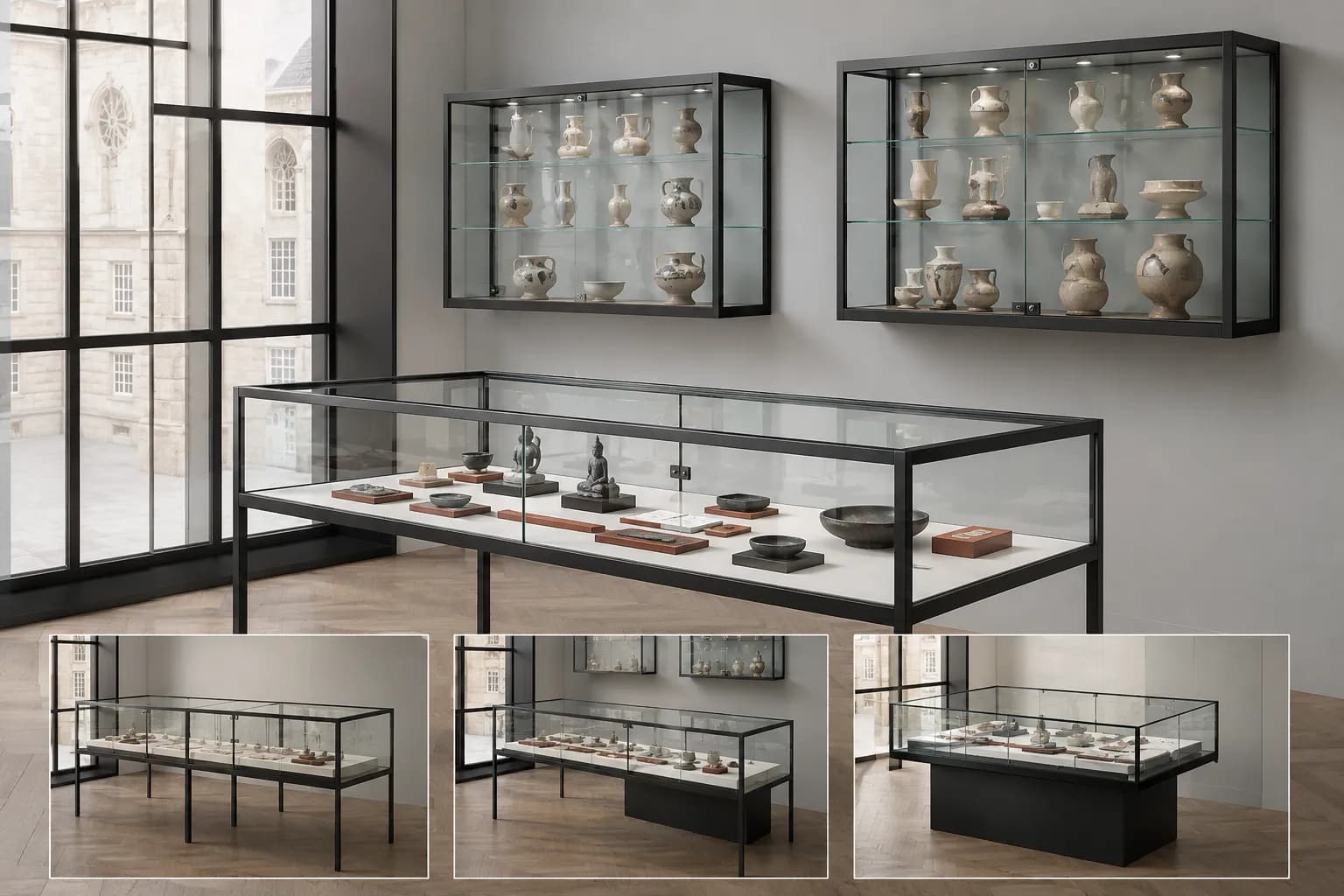
Displaying a historic object, artwork or personal collection is about more than simply putting it behind glass. The case itself becomes part of the exhibition. It needs to protect the object, make it easy for visitors to appreciate and, ideally, stay quietly in the background.
That is why choosing the right museum display cases can make a noticeable difference to the finished exhibition. The right design can make a small artefact feel important, help a larger collection tell a story and make the entire gallery feel more considered.
Start With What You Are Displaying
There is no single display case that suits every museum or gallery. A collection of small historical objects may need a completely different solution from a large sculpture, costume or group of framed artefacts.
Start by considering the size, shape and number of items you want to display. Smaller pieces can work particularly well in tabletop, wall-mounted or pedestal-style showcases, while taller objects may benefit from a tower or full-height cabinet.
It is also worth thinking about how visitors will view the object. If people need to walk around it, a freestanding case can provide a much better experience than a cabinet designed primarily for front-facing viewing.
Make the Cabinet Part of the Exhibition
A good display should draw attention to the collection rather than the furniture around it.
This is one reason simple, contemporary designs work particularly well in museums and galleries. Slim profiles, clean lines and generous areas of glazing help keep the visual focus on the objects inside.
Planet Display’s aluminium frame showcase range includes a selection of formats designed for museum, gallery and other professional display environments. The Focus range, for example, uses a strong 35 x 35 black powder-coated profile and adjustable shelving, with optional 4000K LED spotlights to help illuminate the display.
The important thing is to choose a cabinet that complements the exhibition rather than competing with it.
Think Carefully About Visibility
Visitors should be able to see an object clearly without having to move around the cabinet to find the best angle.
For collections where viewing from several sides is important, a freestanding showcase can be particularly effective. For smaller objects or exhibitions where wall space is available, a wall-mounted case can make use of an otherwise unused area while keeping the display at a comfortable viewing height.
Adjustable shelves are another useful feature. They allow the internal layout to be changed when a new exhibition arrives, rather than forcing you to work around fixed shelf positions.
Lighting Should Highlight, Not Distract
Lighting can completely change how an exhibition looks.
Poorly positioned lighting can create reflections, dark corners or distracting bright spots. Carefully positioned LED lighting, on the other hand, can bring out details in ceramics, sculpture, medals, artwork and other objects without making the cabinet itself the main attraction.
A neutral white light is often a practical choice for gallery environments. The exact lighting, however, should depend on the objects being displayed and the atmosphere you want to create.
If the cabinet includes adjustable shelves, lighting becomes even more useful because the display can be changed without completely redesigning the arrangement.
Security Matters Too
Museums and galleries often display objects that are valuable, rare or simply impossible to replace. Security therefore needs to be considered alongside appearance.
Lockable doors provide a basic but important layer of protection, particularly where visitors can get close to the display. The cabinet should also be sturdy enough for its intended environment and positioned securely within the room.
For permanent exhibitions, it is worth thinking about who will need access to the case and how frequently objects will be changed. A cabinet that looks excellent but is awkward for staff to access can quickly become frustrating in everyday use.
Glass or Other Glazing?
The glazing is one of the most important parts of any showcase because it needs to provide a clear view while offering protection.
For many museum and gallery settings, a quality glass display cabinet provides the clarity, strength and professional appearance expected from a permanent exhibition. Toughened safety glass is used across Planet Display’s aluminium frame showcase range, although the precise specification should always be considered in relation to the application.
For particularly sensitive collections, however, glazing is only one part of the wider conservation picture. Light exposure, temperature, humidity and the materials used inside the cabinet may also need specialist consideration.
Leave Room for the Exhibition to Evolve
A museum display rarely stays exactly the same forever. New objects are acquired, exhibitions change and collections are rearranged.
For that reason, flexibility is valuable. Adjustable shelves, different cabinet sizes and a choice of display formats make it easier to adapt the space over time.
A tall tower cabinet might work for a permanent collection, while a pedestal or tabletop case could be more suitable for a temporary feature. Using different formats within the same exhibition can also create visual variety without making the gallery feel inconsistent.
A Better Display Starts With the Right Case
The best museum showcase is not necessarily the largest or most elaborate option. It is the one that suits the object, the space and the way visitors are expected to experience the collection.
Consider visibility, proportions, lighting, security and flexibility before making a decision. Then choose a design that allows the objects themselves to remain the focus.
With the right cabinet, even a modest collection can have a strong presence. More importantly, the display can give visitors the opportunity to stop, look closely and appreciate the story behind what they are seeing.
Frequently Asked Questions
What type of display case is best for a museum?
It depends on the size and nature of the objects being displayed. Smaller artefacts may suit tabletop or wall-mounted cases, while larger or more prominent pieces can benefit from freestanding or tower-style showcases. The way visitors need to view the object should also be considered.
Why are adjustable shelves useful in museum display cases?
Adjustable shelves make it easier to change the layout when exhibitions or collections change. They allow different-sized objects to be displayed comfortably without being restricted by fixed shelf positions.
Is lighting important in a museum display case?
Yes. Well-positioned lighting can bring out details in artefacts while helping visitors see the display clearly. LED lighting can be a practical option, but it should be positioned carefully to avoid excessive reflections, glare or distracting bright spots.
How secure should a museum display case be?
Security requirements depend on the objects and the location of the exhibition. Lockable doors provide an important layer of protection, particularly where visitors can get close to the display. The cabinet should also be stable and suitable for the environment in which it will be installed.
What should I consider when choosing a museum display case?
Consider the size and type of objects, how visitors will view them, available space, lighting, security and how often the display may change. Choosing a flexible cabinet that complements the exhibition can make it easier to create a professional display that continues to work as the collection develops.
{
“@context”: “https://schema.org”,
“@type”: “FAQPage”,
“mainEntity”: [
{
“@type”: “Question”,
“name”: “What type of display case is best for a museum?”,
“acceptedAnswer”: {
“@type”: “Answer”,
“text”: “It depends on the size and nature of the objects being displayed. Smaller artefacts may suit tabletop or wall-mounted cases, while larger or more prominent pieces can benefit from freestanding or tower-style showcases. The way visitors need to view the object should also be considered.”
}
},
{
“@type”: “Question”,
“name”: “Why are adjustable shelves useful in museum display cases?”,
“acceptedAnswer”: {
“@type”: “Answer”,
“text”: “Adjustable shelves make it easier to change the layout when exhibitions or collections change. They allow different-sized objects to be displayed comfortably without being restricted by fixed shelf positions.”
}
},
{
“@type”: “Question”,
“name”: “Is lighting important in a museum display case?”,
“acceptedAnswer”: {
“@type”: “Answer”,
“text”: “Yes. Well-positioned lighting can bring out details in artefacts while helping visitors see the display clearly. LED lighting can be a practical option, but it should be positioned carefully to avoid excessive reflections, glare or distracting bright spots.”
}
},
{
“@type”: “Question”,
“name”: “How secure should a museum display case be?”,
“acceptedAnswer”: {
“@type”: “Answer”,
“text”: “Security requirements depend on the objects and the location of the exhibition. Lockable doors provide an important layer of protection, particularly where visitors can get close to the display. The cabinet should also be stable and suitable for the environment in which it will be installed.”
}
},
{
“@type”: “Question”,
“name”: “What should I consider when choosing a museum display case?”,
“acceptedAnswer”: {
“@type”: “Answer”,
“text”: “Consider the size and type of objects, how visitors will view them, available space, lighting, security and how often the display may change. Choosing a flexible cabinet that complements the exhibition can make it easier to create a professional display that continues to work as the collection develops.”
}
}
]
}